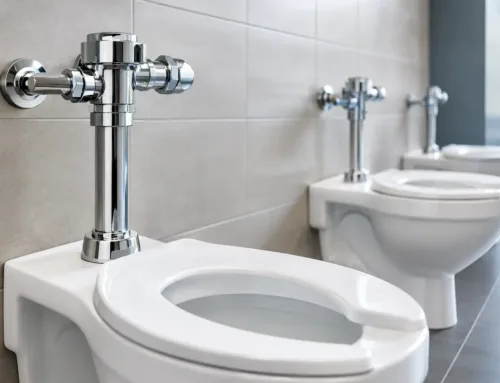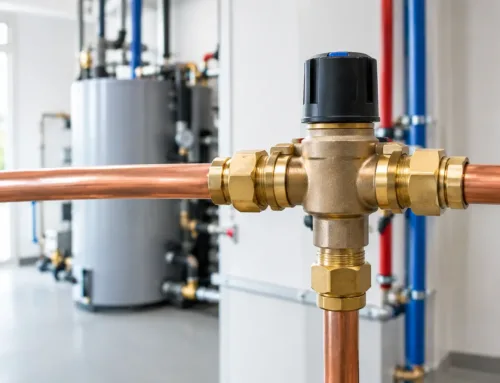
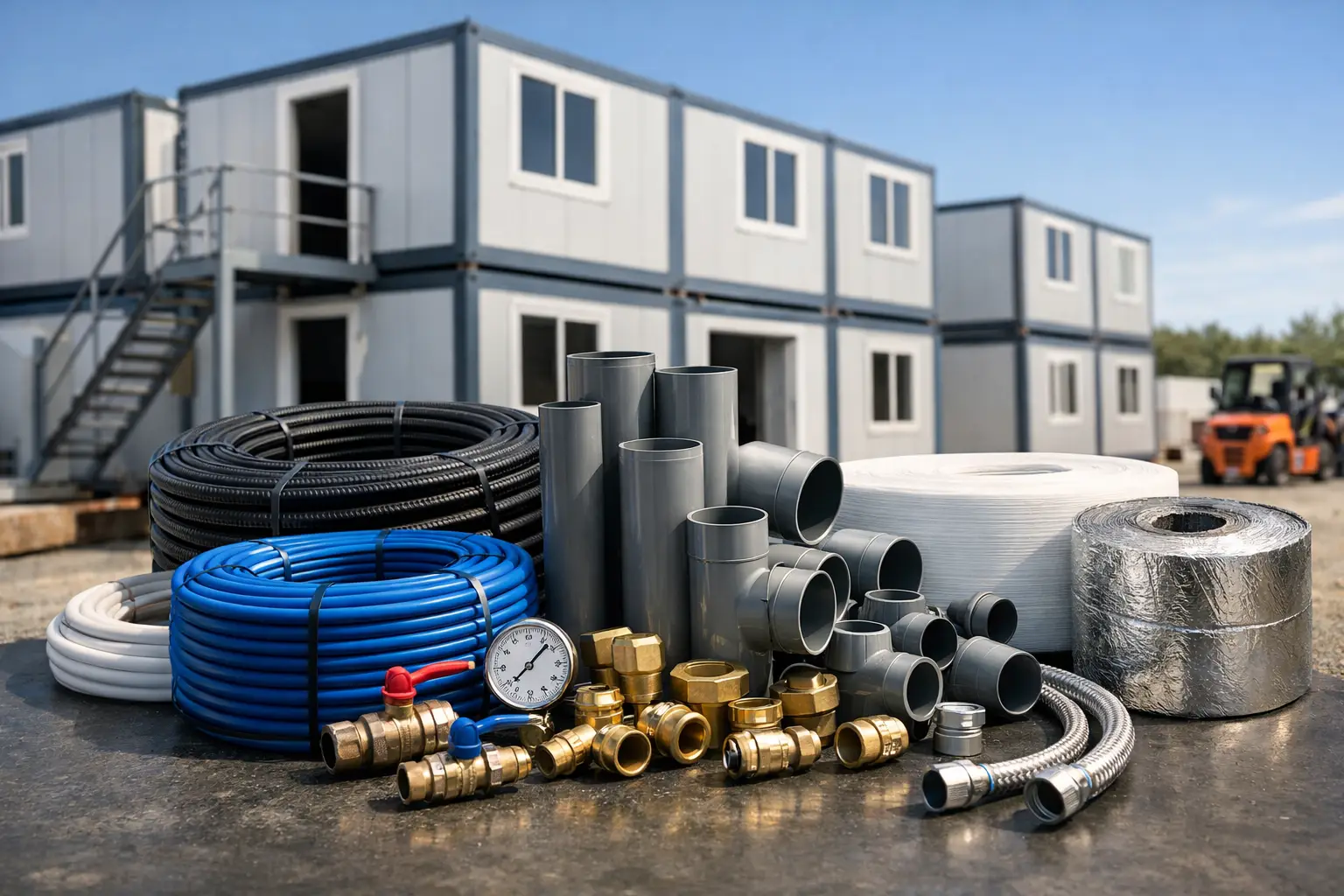
A missing mixing valve or the wrong drain body can stop more than one installation. In a factory environment, it can interrupt a production sequence that depends on completed bathroom pods, utility chases, or mechanical modules moving to the next station. Modular building plumbing supply is therefore not just a purchasing function. It is a material-control process tied directly to production output, freight planning, inspection requirements, and final site connection.
For modular manufacturers and the mechanical contractors supporting them, the best supply plan starts before the first module reaches the line. It accounts for the approved specification, the real lead time, the order of installation, and the documentation required to release materials with confidence. The objective is simple: keep the line moving without sending unverified or incomplete material to the factory.
Why Modular Building Plumbing Supply Works Differently
Conventional jobsite purchasing can sometimes absorb a short delay. A crew may shift to another floor, rough in a different area, or wait for a local pickup. Modular production has fewer places to hide a shortage. The module moves in a defined sequence, and each incomplete connection creates rework, labor disruption, or storage pressure downstream.
That changes how plumbing materials should be purchased. Buyers need more than a broad product list and a quoted price. They need confirmation that the item matches the approved submittal, that fittings and accessories are compatible, and that the shipment will arrive in the sequence required by the assembly line.
Material condition matters as well. A fixture that arrives without mounting hardware, a water heater missing its relief valve requirements, or a drinking fountain shipped without the specified bottle filler component can create a stoppage just as effectively as a backordered main item. Complete kits, clear carton identification, and a disciplined pick process reduce those risks.
Start With a Bill of Material Built for Production
A modular plumbing bill of material should reflect how the work is built, not merely how the project was bid. Grouping everything under a general plumbing division may be acceptable for estimating, but it is rarely enough for factory fulfillment. Materials should be separated by module type, production phase, model variation, and installation location where practical.
A typical release may distinguish between bathroom pods, accessible units, kitchen modules, utility rooms, and site-installed connections. Within each group, identify the fixture, trim, valves, drains, traps, tubing, supports, isolation components, and any electrical accessories required for completion. This avoids the common problem of receiving the visible fixture while discovering later that the specified carrier, actuator, or connection part was not included.
Revision control deserves equal attention. Modular projects often evolve after the first prototype or after an owner review. A change to an accessible shower system, lavatory faucet, bottle-filling cooler, or instantaneous electric water heater can affect rough-in dimensions, electrical requirements, trim, and supporting material. The purchasing record must show which revision applies to each production run. Without that discipline, old and new components can reach the line together.
Standardize Where the Design Allows
Standardization reduces purchasing complexity and makes replenishment more predictable. If several module types can use the same angle stop, drain assembly, pipe size, hand dryer, or water-heater connection arrangement, the manufacturer gains more control over inventory and labor training.
There are limits. Government, healthcare, education, and institutional projects may require named manufacturers, approved equals, accessibility features, or agency-specific criteria. Standardize the common components, but do not substitute around a specification without confirming approval. A lower-cost item is not a savings if it creates a rejected submittal or failed inspection.
Match Delivery Timing to the Production Plan
Bulk delivery is not always the safest answer. A full project shipment may look efficient on paper, yet it can consume valuable factory floor space, complicate inventory counts, and expose expensive fixtures to damage before they are needed. On the other hand, ordering too close to production leaves no room for manufacturer delays, freight issues, or approval changes.
The right approach depends on the production rate, available storage, product lead times, and how repeatable the modules are. Fast-moving, standard rough-in materials may support scheduled replenishment. Specialized fixtures, accessible shower components, commercial water heaters, and approved institutional equipment often require earlier procurement and controlled staging.
Release materials in workable lots tied to actual module quantities. The supply partner should understand whether a release supports ten identical pods, a mixed batch of twenty modules, or a single prototype followed by a larger production run. That information affects packaging, labeling, freight coordination, and the ability to identify a shortage before it reaches a work cell.
For long-lead items, early commitment is often the practical decision. It may require more coordination and storage planning, but it protects the production schedule from a component that cannot be replaced quickly. The key is to verify the specification and approval status before placing that commitment.
Protect Submittals, Approvals, and Compliance
Commercial plumbing equipment is not interchangeable simply because the connection size appears similar. Fixture performance, flow rates, ADA requirements, electrical characteristics, finish, mounting method, and agency approvals can all be part of the contract requirement. Modular work adds another layer because products must fit the module design and still perform after transport, setting, and final connection in the field.
Submittal support should be treated as part of material fulfillment, especially on public-sector and military construction projects. Product data, cut sheets, compliance information, and manufacturer documentation need to be organized early enough to support review without delaying procurement. When an approval requires a correction, the supply team needs time to source the compliant alternative and confirm its effect on the module.
This is particularly important for drinking fountains and bottle fillers, electric water heaters, hand dryers, accessible fixtures, and specialty drainage products. These items may carry specific electrical, accessibility, or performance requirements that cannot be resolved by a last-minute field substitution.
A reliable release review should confirm four practical points before material is sent to production:
- The item number, manufacturer, finish, and configuration match the latest approved documents.
- Required accessories, rough-in components, trim, and mounting hardware are included.
- The quantity matches the module count plus any authorized spare or overage requirement.
- Shipping labels and delivery dates match the receiving plan for the factory or jobsite.
That review is short, but it catches the errors that tend to create the most expensive interruptions.
Plan for the Factory-to-Field Handoff
The plumbing system does not end when a module leaves the factory. Connections may be completed in the field, and those connections need compatible materials, clear documentation, and coordination with the installing contractor. If factory-installed pipe terminates at a planned coupling or valve location, the field package must match that design exactly.
Separate factory-installed material from field connection material in the purchasing plan. This gives both teams clarity on responsibility and prevents duplicate orders or missing transition parts. It also helps with freight. Materials intended for the factory may need protected delivery windows and organized receiving, while site material may require a different schedule based on crane picks, module setting, or rough-in completion.
Consider serviceability during this handoff. Access panels, shutoff locations, cleanouts, unions, and equipment clearances can be difficult to correct after the module is closed and installed. A supply partner that reviews the actual product requirements can flag conflicts before cartons arrive, when changes are still manageable.
Build a Supply Relationship That Responds Under Pressure
Modular production does not benefit from a supplier that only processes purchase orders. It benefits from a partner that can identify a discontinued item, locate an approved alternative, expedite a missing component, and provide the documentation required for release. The work is part product knowledge and part follow-through.
Clarke Plumbing Specialties supports this kind of work by supplying commercial plumbing equipment, tubing, drains, fixtures, water-heating products, and specialized components for schedule-sensitive manufacturing and construction environments. For recurring modular programs, a responsive account relationship also creates a record of prior releases, approved products, and buying patterns that can make the next production run more predictable.
Price remains part of the decision, but total disruption cost matters more than line-item savings alone. A supplier that understands the release schedule, verifies component completeness, and responds when a material issue appears can protect labor hours, freight commitments, inspections, and production dates.
When the next module is scheduled to enter the plumbing station, the goal is not simply to have material on order. It is to have the correct approved material, complete and identified, in the hands of the people who need it when the line is ready to build.